





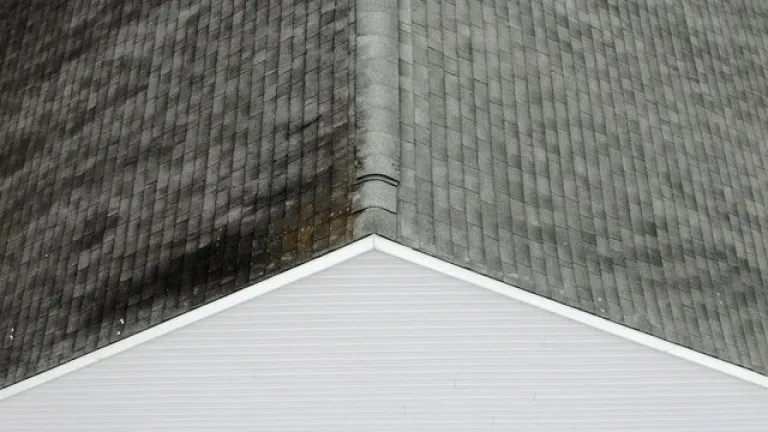
In Oklahoma City, our roofs take a beating whether from hail, wind, or heat. But not all roof damage is easy to see. While cracked shingles or missing flashing might be obvious, the real trouble often lies beneath the surface. That’s why knowing how to spot hidden roof damage during inspections is so important for homeowners.
Hidden damage can lead to costly leaks, insulation issues, and even mold growth. Fortunately, there are smart, simple ways to catch these problems early and save yourself stress and money down the line.
Why Hidden Damage Happens
Roofing materials are built to withstand the elements, but even the best roofs have weak points. Over time, weather and wear can cause small cracks, lifted shingles, and minor leaks that you can’t see from the ground.
Here in Oklahoma, sudden temperature changes and severe storms make roofs especially vulnerable to this kind of damage. That’s why routine inspections and close attention to detail are so important.
1. Check the Attic First
One of the best ways to find hidden roof damage is to start inside your home. Head to the attic and look for:
- Water stains or dark spots on the rafters or ceiling
- Mold or mildew smell
- Wet or compressed insulation
- Sunlight shining through the roof boards
These signs often point to leaks or poor ventilation issues that may not be visible from the outside.
2. Look for Subtle Signs on Ceilings and Walls
Inside your home, watch for signs like:
- Peeling paint
- Bubbling wall surfaces
- Slight discoloration on ceilings
Even if they seem small, these may be early indicators that water is getting in somewhere. Catching it early can prevent major repairs later.
3. Examine the Roof Decking (If Safe)
If you or your inspector can safely access the roof, check for soft spots. Carefully walk the surface and notice if any sections feel spongy or sag underfoot this could mean the decking underneath is rotting or weakened.
Also check for:
- Slight dips or uneven sections
- Rust on metal flashing
- Loose nails or raised shingles
These issues might seem minor but can allow moisture to seep in.
4. Inspect Roof Valleys and Edges
The valleys and edges of your roof are some of the most leak-prone areas, especially during Oklahoma’s heavy rains or windstorms. Look for:
- Granule loss from shingles
- Cracks or gaps in flashing
- Debris buildup blocking water flow
Even a small crack here can lead to major water damage inside the home.
5. Check for Hidden Storm Damage
After a storm, damage isn’t always obvious. Hail can bruise shingles without breaking them, and wind can slightly lift shingles without removing them completely.
Have a local professional conduct a post-storm inspection. Straight A Exterior Renovations offers detailed Roof Inspections that identify these hidden issues using expert tools and experience.
6. Use a Moisture Meter or Thermal Imaging (Advanced Tip)
For a deeper inspection, pros often use moisture meters or thermal imaging to detect moisture trapped under roofing materials. These tools help reveal what’s happening beneath the surface especially in areas that look fine to the eye.
This advanced approach is ideal for Oklahoma homes with older roofs or those that have experienced recent severe weather.
Don’t Rely on Visuals Alone
A roof might look fine from your driveway, but that doesn’t mean it’s in good shape. To truly protect your home, you need to dig deeper.
Regular professional Roof Inspections help you spot these hidden threats early and keep your home safe and dry no matter what the weather throws your way.
Protect Your Roof, Protect Your Home
The best time to catch roof damage is before it leads to leaks, rot, or repairs. With these smart techniques, you’ll know how to spot hidden roof damage during inspections and take action early.
Ready to get your roof checked? Contact Straight A Exterior Renovations for a thorough, professional inspection tailored to Oklahoma’s weather and roofing challenges.